c. 31,000 BC
The Red Lady of Paviland
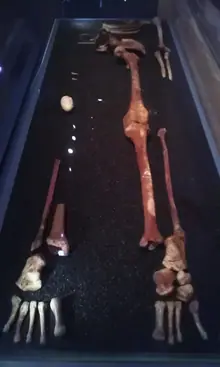
A young man laid to rest with red ochre, ivory and shells in a cave on Gower some 33,000 years ago: the oldest known ceremonial burial in western Europe.
The Red Lady of PavilandA land of kings, princes, castles, poets, and saints. Built on coal, slate, iron, copper, and wool.
The oldest living language in Britain, fifteen centuries of kings and princes, saints and poets. The Britons who became the Cymry gave the world the laws of Hywel Dda and the tales of the Mabinogi. They raised chapels and castles, and dug the coal and slate that powered and roofed the world. Through conquest and the Welsh Not, the language has lived on, and the nation is still here today.
01 · The ages
From ice-age hunters to the Senedd. Choose an age to read its story, its people and its places.
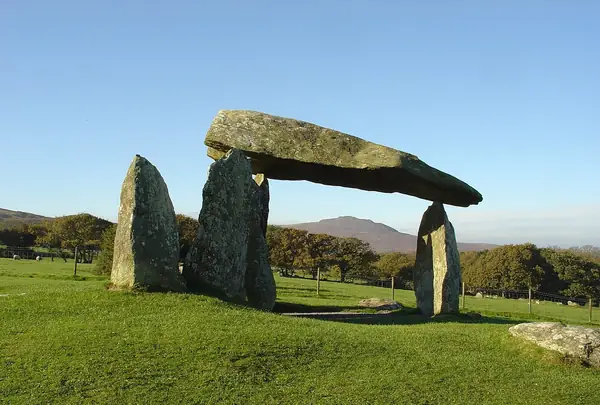 Age I: 230,000 – 2500 BC
Neanderthals, ice-age hunters, the first farmers and the builders of the great stone tombs.
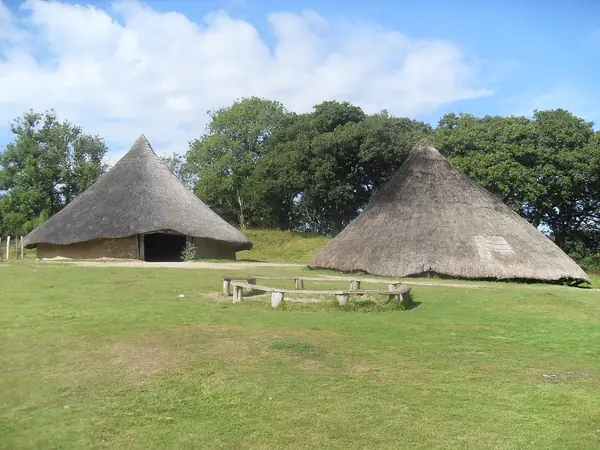 Age II: 2500 BC – AD 48
Copper miners, gold-workers, hillfort kings and druids: the Britons before Rome.
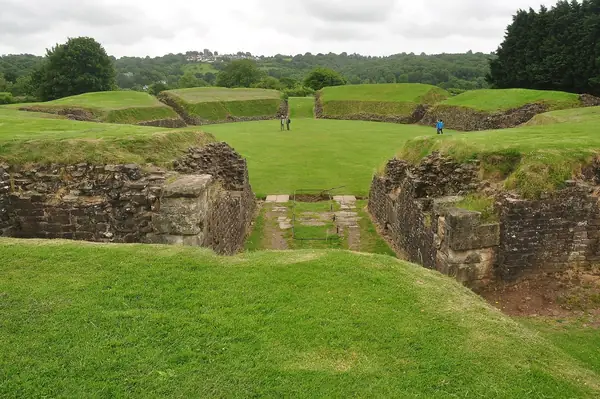 Age III: AD 48 – 410
Legions, forts, roads and gold: three and a half centuries on the edge of an empire.
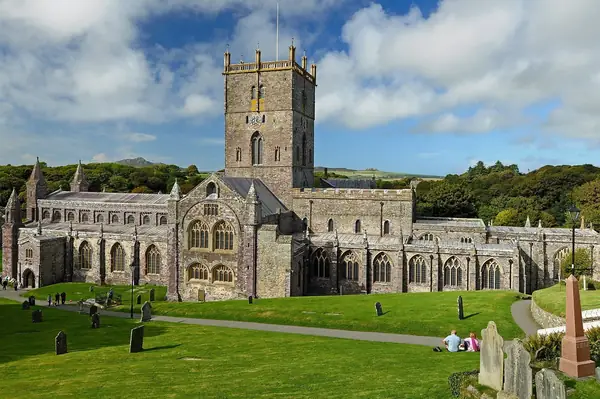 Age IV: 410 – 800
After Rome: new kingdoms, wandering saints, the first Welsh poems and the birth of a nation.
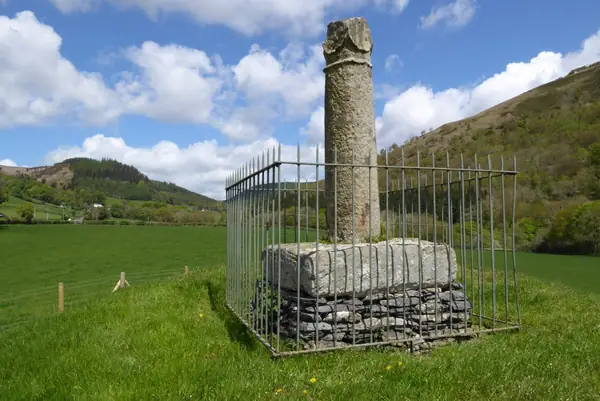 Age V: 800 – 1100
Rhodri, Hywel and Gruffudd: kings who drew Wales together against Vikings and English.
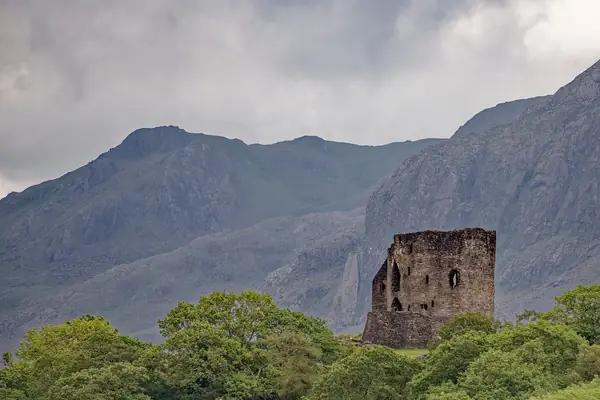 Age VI: 1100 – 1282
Castles, poetry and the princes of Gwynedd and Deheubarth against Norman and English power.
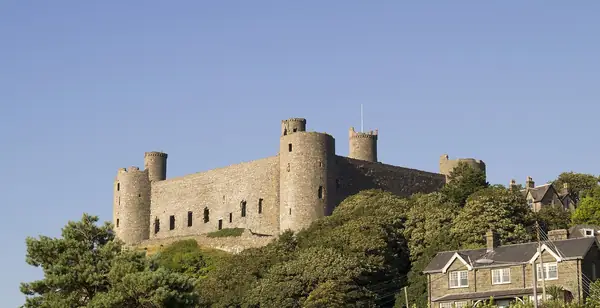 Age VII: 1282 – 1485
Risings against the conqueror, a golden age of poetry, and Owain Glyndŵr, Prince of Wales.
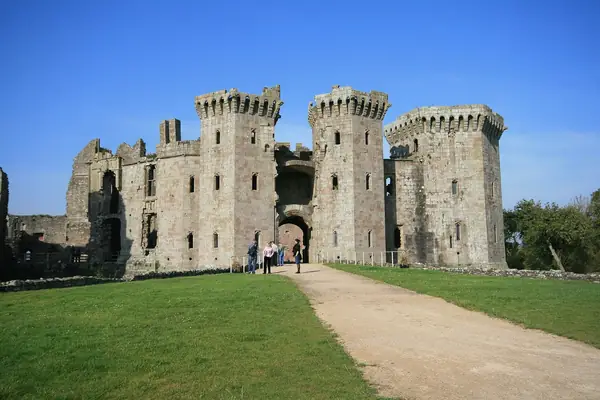 Age VIII: 1485 – 1700
A Welsh king, union with England, a Bible in Welsh, civil war and the first chapels.
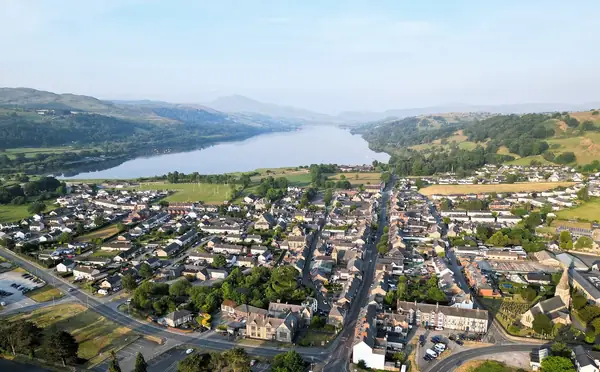 Age IX: 1700 – 1800
Schools in every parish, a great awakening, hymns, scholars, harpers and the eisteddfod reborn.
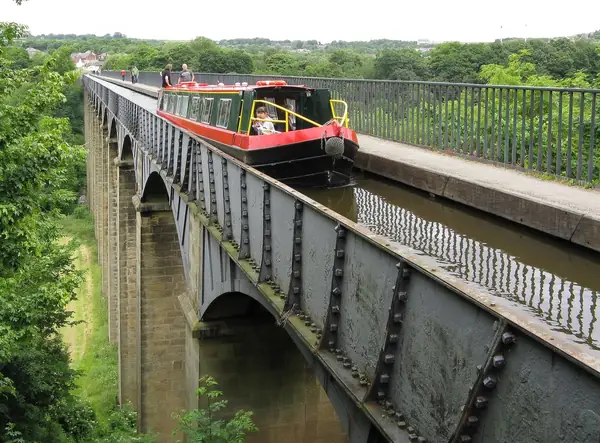 Age X: 1800 – 1914
Iron, coal, slate and chapel; risings, riots and a nation remade in a single century.
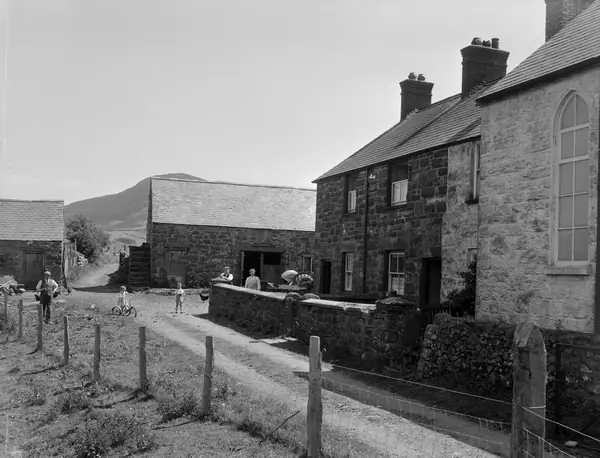 Age XI: 1914 – 1997
War, depression, the NHS, drowned valleys and the fight for the language.
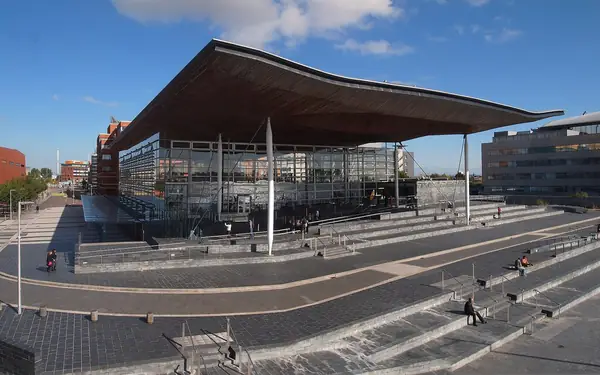 Age XII: 1997 – today
A parliament of its own, new laws, a million-speaker goal and a nation finding its voice again.
The timeline
230,000 BC → today
Over 400 events in order, every one with a source.
On this day in Welsh history
16 November Today
The actor, comedian and television presenter Griff Rhys Jones is born.
Did you know?
Under the medieval laws of Hywel Dda, a wife who separated from her husband after seven years could take half the household goods.SourcesThe Law of Hywel Dda: Law Texts from Mediaeval WalesDafydd Jenkins (trans. and ed.), Gomer, 1986, pp. 310–311The law of women: if a marriage broke up after seven years, the wife was entitled to half of all they held in common.Cyfraith Hywel ↗Wikipedia, citing Dafydd Jenkins“If the marriage broke up after the end of 7 years, the woman was entitled to half the common pool.”
02 · Long reads
Essays on the big questions: why so many castles, how the language survived, what coal cost.
 Long read · 20 min New
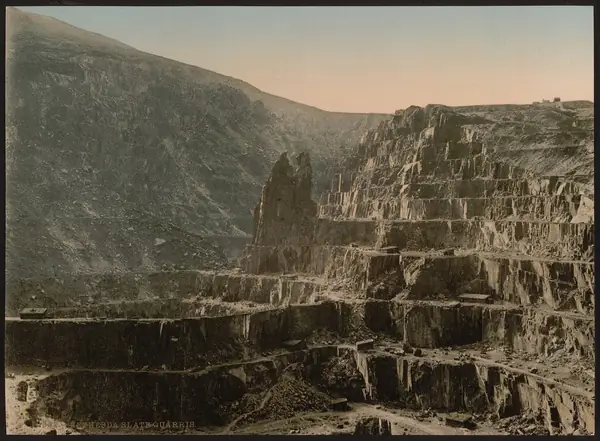
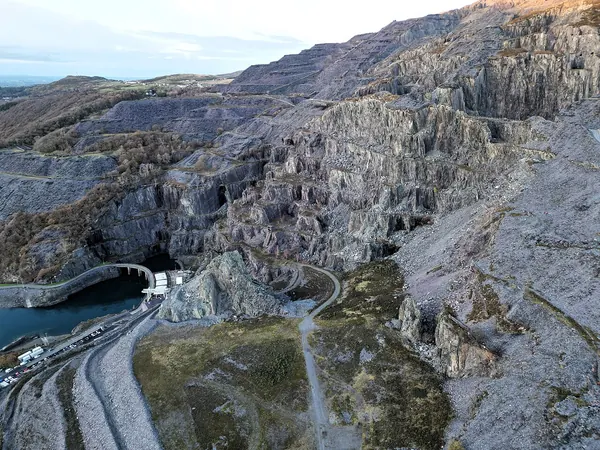
The flagship story of Welsh slate: the ancient rock of Eryri, the galleries and railways that carried it to the sea, the ships that took it to the roofs of the world, the bargain and the caban that made the quarrymen craftsmen and scholars, their union, and the three years when Bethesda stood out for the right to speak for itself.
 Long read · 5 min
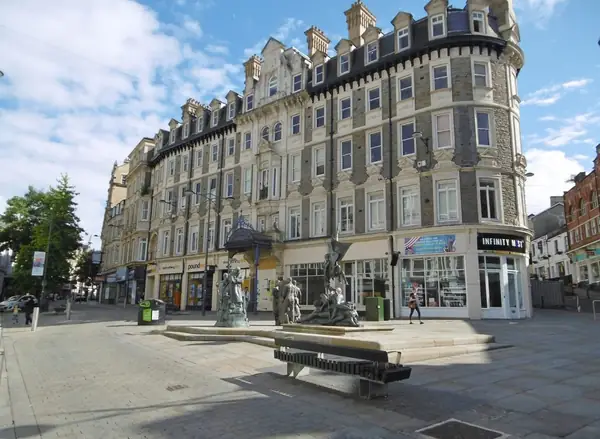
A red flag in Merthyr, farmers in petticoats smashing tollgates, an army of Chartists marching on Newport. Nineteenth-century Wales did not go quietly.
 Long read · 6 min
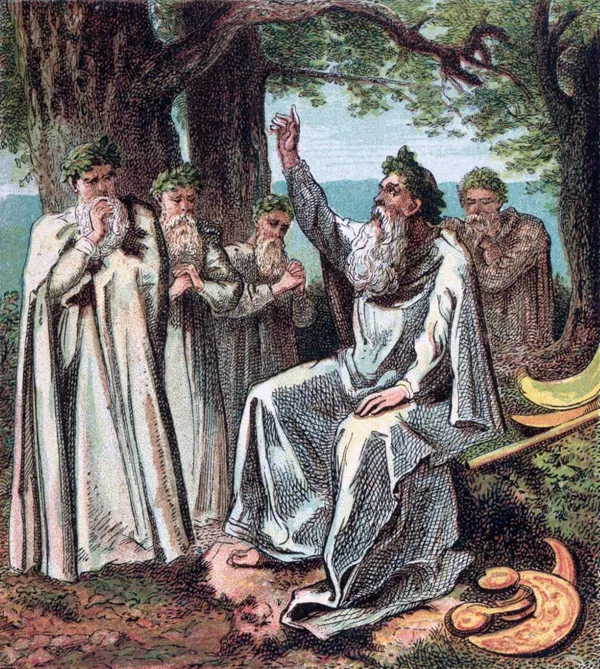
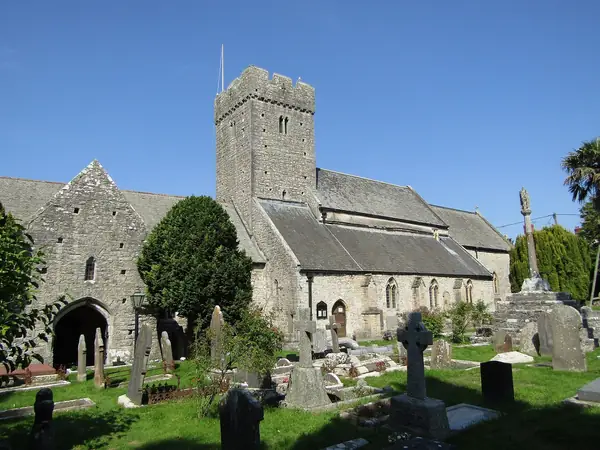
Caesar wrote that the learning of the Druids was believed to have begun in Britain and that those who wished to master it crossed the sea to study it here. After Rome, Llanilltud Fawr became the oldest centre of learning in Britain.
 Long read · 30 min
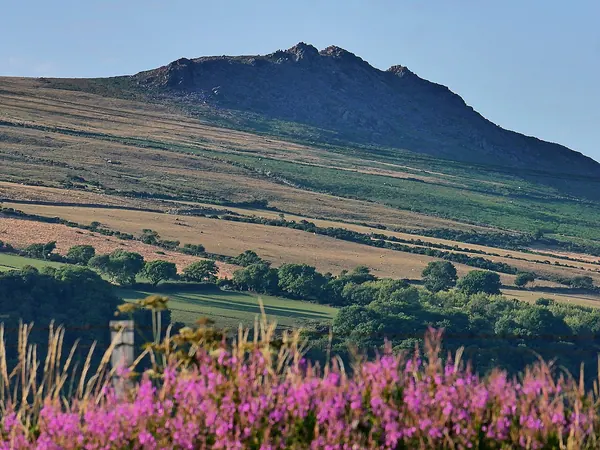
Cairns on the mountain tops, standing stones, hillforts, mounds and old churches that fall in a straight line across the land. Alfred Watkins and his old straight tracks, the churches built on the holy places of old, and eight lines across Wales, measured on the Ordnance Survey’s own grid and drawn on the maps Watkins used, with the grid reference of every site.
 Long read · 15 min
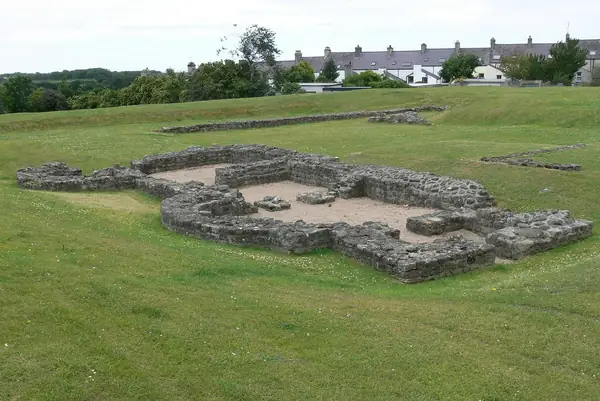
In 383 the soldiers of Britain made their general emperor of Rome. He ruled the West for five years, and Wales has never let him go. Welsh tradition made Macsen the husband of Elen of Caernarfon, the father of royal lines, the founder of Brittany, and the man with whom the story of the Welsh nation begins.
 Long read · 5 min
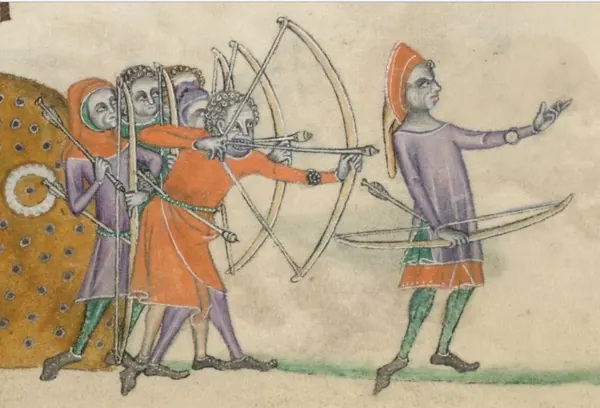
The weapon that won Crécy and Agincourt was first the weapon of Gwent, and the Normans learned to fear it in the woods and passes of Wales.
03 · Map
139 historic places on one map of Wales, each with its story, and the kingdoms of Wales changing through time.
04 · People
Princes, poets, saints, scientists, inventors, singers and sporting heroes: 537 people from every age, each with a page you can share.
A young man laid to rest with red ochre, ivory and shells in a cave on Gower some 33,000 years ago: the oldest known ceremonial burial in western Europe.
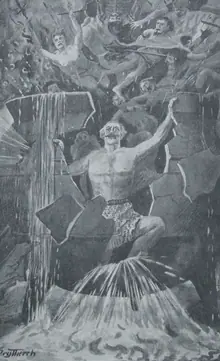
The Red Lady of PavilandHalf-brother of Bendigeidfran and Branwen, a man who could set two brothers fighting. In the end he gave his life to break the cauldron of rebirth and save the host of Britain.
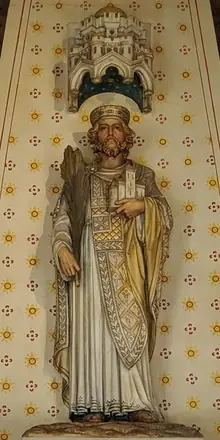
EfnysienKing of the Britons, Lucius in Latin, who wrote to Pope Eleutherius asking to be made a Christian. Wales remembers him as Lleurwg, Lles ap Coel and Lleufer Mawr, the Great Light.
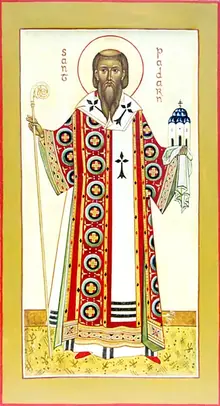
King Lucius (Lleurwg)The saint who founded the monastery and bishopric of Llanbadarn Fawr, near Aberystwyth, which became one of the great centres of learning in Wales.
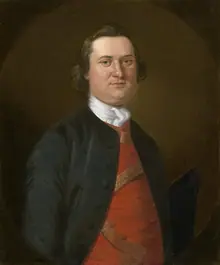
Saint PadarnAnglesey poet, scholar and surveyor who charted the whole coast of Wales and led the Morris brothers’ revival of Welsh learning.
Lewis MorrisDraper of Newtown who started the world’s first mail-order business in 1861, selling Welsh flannel to Queen Victoria and Florence Nightingale.
Sir Pryce Pryce-JonesDavid James Jones of Pontardawe, twice winner of the chair, who wrote of the tinplate works of his boyhood, the farms of his family in Carmarthenshire, and his faith in God and Wales.
GwenalltPoet in Welsh and English whose words, in letters two metres high, crown the Wales Millennium Centre.
Gwyneth Lewis05 · Legends
The old tales of Wales, retold, with the real history behind each one.
 Llundain · Dinas Emrys
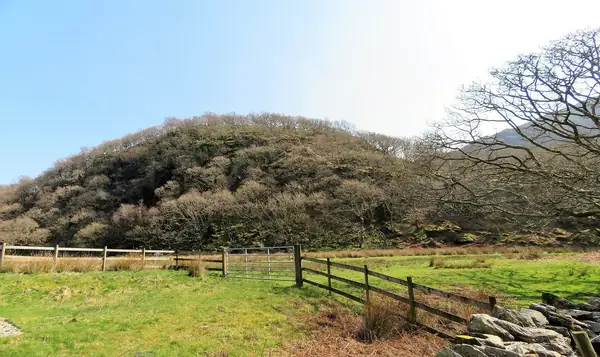
Three plagues fall on the Island of Britain, and two royal brothers outwit them all. This is how the dragons came to Dinas Emrys.
 Arberth, Dyfed
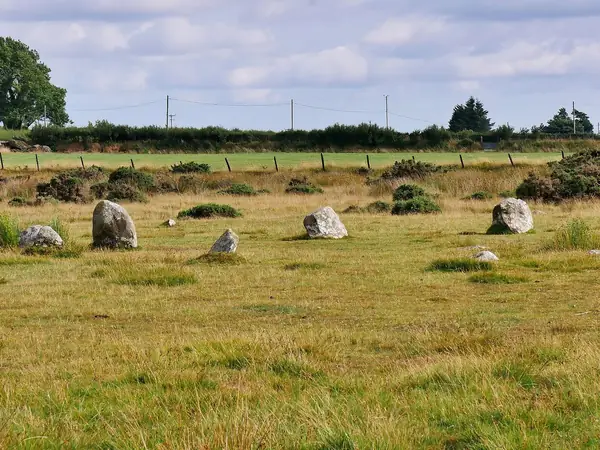
A mist falls, the whole of Dyfed is emptied, and a patient prince wins it back with nothing but his wits.
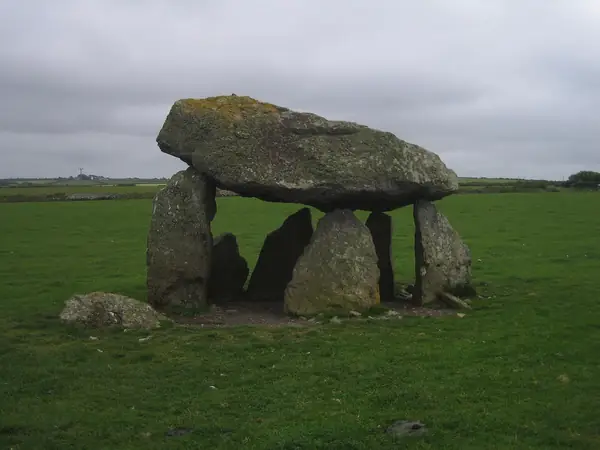 Preseli · Porth Clais · Afon Hafren
To win the giant’s daughter, a young prince must do forty impossible things, the last of them a hunt across the whole of south Wales.
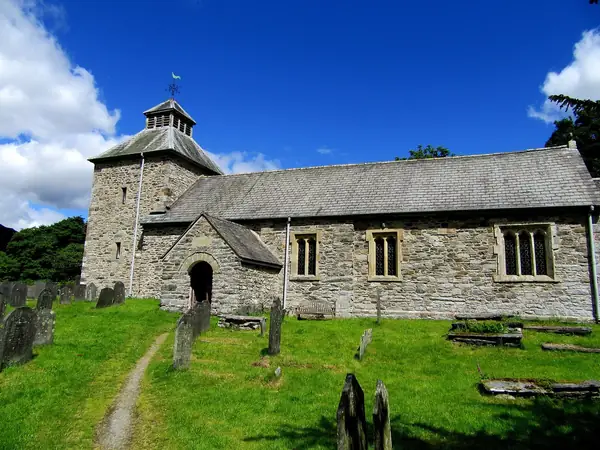 Pennant Melangell, Powys
A hunted hare hides under a holy woman’s cloak, and a king of Powys gives her the valley for ever.
06 · Language
Welsh grew out of Brittonic, spoken across most of Britain before the Romans. Its oldest poetry dates from around 600 AD, and it is still the everyday language of more than half a million people.
Welsh speakers by census
Share of people aged three and over who could speak Welsh. No census was taken in 1941.
The Welsh Government’s Cymraeg 2050 strategy aims for a million speakers by mid-century.
Place-name decoder
Most Welsh place names describe the land. Type one and it will be broken into its parts.
Words to know
Hear the names from history: Gwynedd, Deheubarth, Glyndŵr →
Real Welsh voices: speakers from Lingua Libre and Bangor University’s Welsh voice. Thanks to the voices
07 · Play
Games for all ages: a royal court in 3D, a story you choose, a quiz, a map and Welsh names. Your progress is kept on your device.
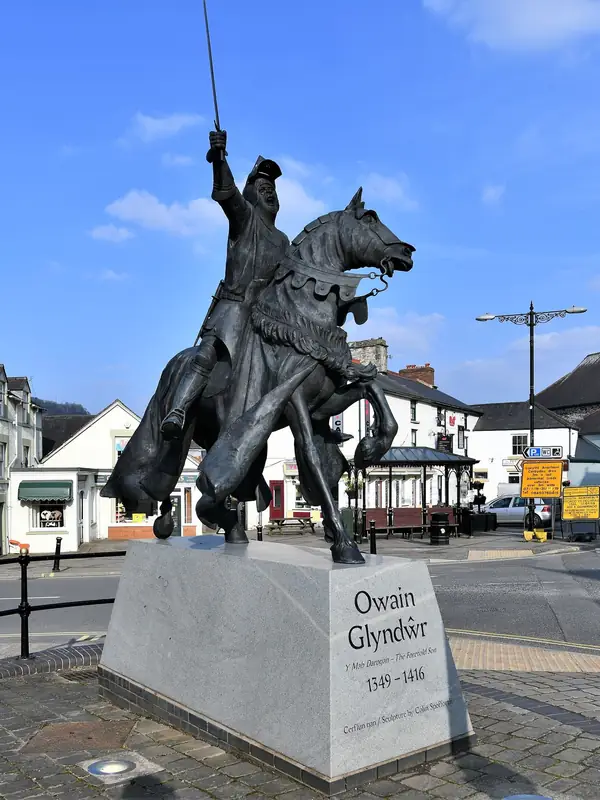 A story you choose
Answer Owain Glyndŵr’s call as an archer, a bard or a rider, and choose your way through the rising.
Explore in 3DStand in the Dee valley on 16 September 1400, the day Owain Glyndŵr was proclaimed Prince of Wales.
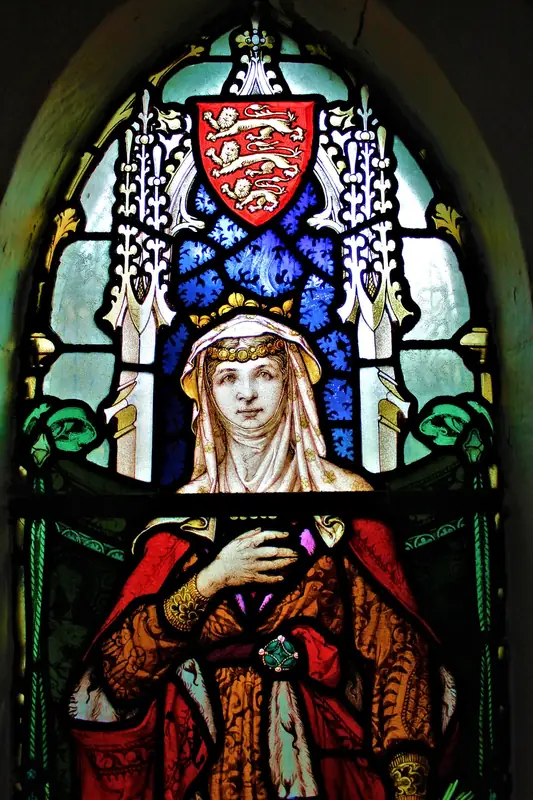 Explore in 3D
Walk into the princes’ hall at Aber, between the mountains and the sea, where Llywelyn gave his answer in 1282.
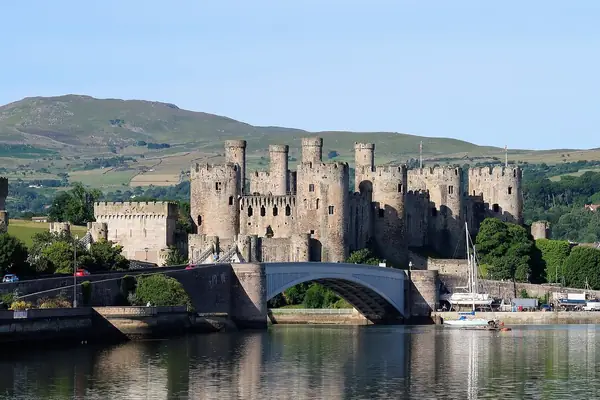 10 questions
Ten questions drawn from the timeline and the people. Every round is different.
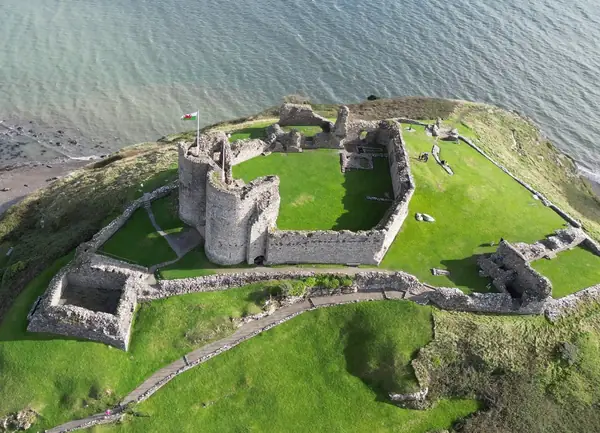 5 rounds
Put castles, towns and battlefields on a blank map. How close can you get?
New every MondayTen new questions every Monday, three on the week’s anniversaries. One go each, and a leaderboard.
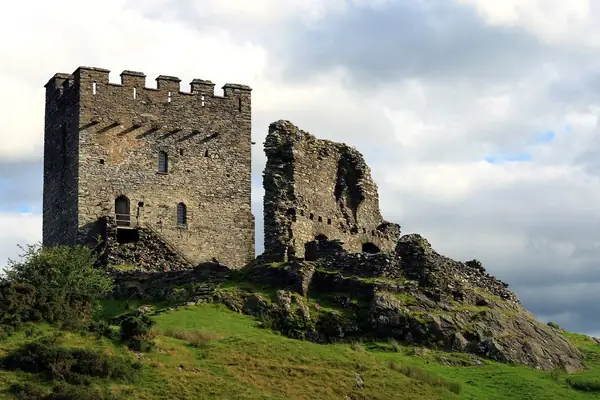 Explore in 3D
Climb into Llywelyn the Great’s keep on its rock above the Lledr, with Moel Siabod behind.
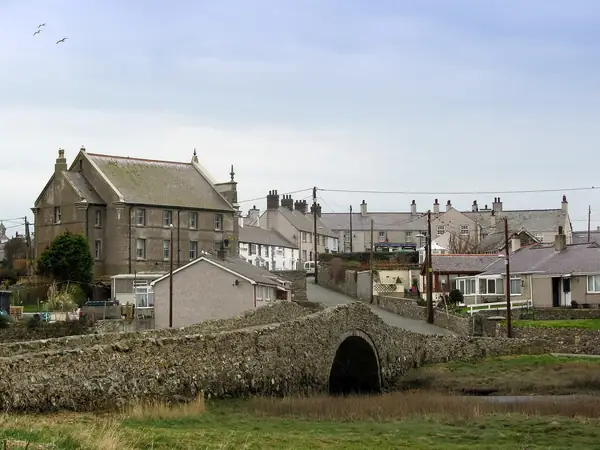 Explore in 3D
Walk into the chief court of Gwynedd on Môn, where Llywelyn the Great was Prince of Aberffraw.
 Explore in 3D
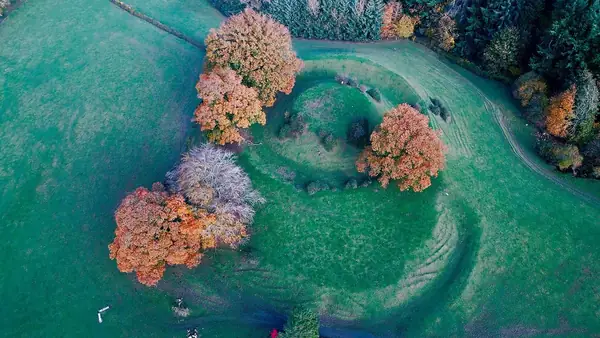
Cross the moat into Owain Glyndŵr’s timber court on its green hill, as Iolo Goch sang it.
 Try your name
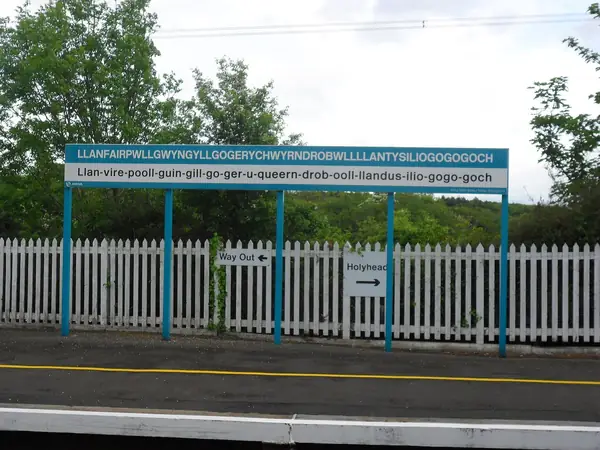
What does your surname mean? And what would you have been called in the age of the princes?
 Explore in 3D
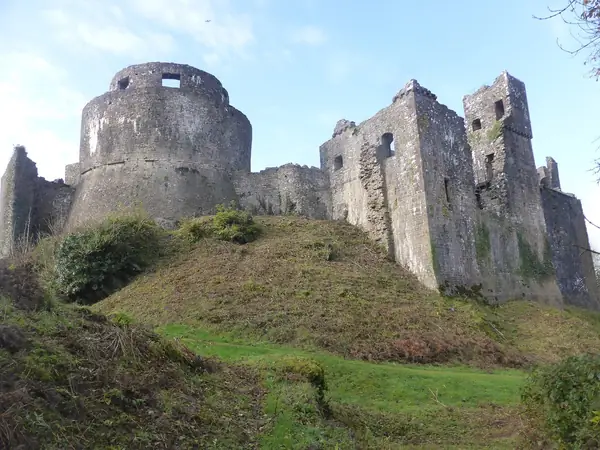
Walk into the seat of the Lord Rhys’s line on its crag above the Tywi, and climb the round keep.
 Explore in 3D
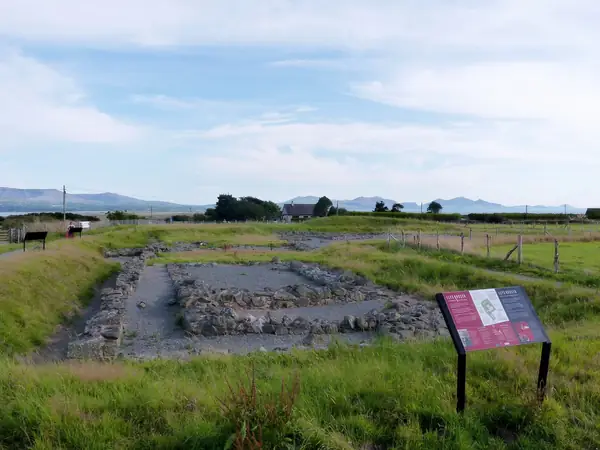
Walk through a royal court of the princes of Gwynedd: the great hall, the hearth, the prince’s seat.
 For children
A memory game for younger visitors: match the Welsh word to its meaning.
3 roundsPut five events in order, oldest first.
6 questionsSix questions to find your match among the people who shaped Wales.
Quizzes, a map game, Welsh names and more, with badges to collect.
08 · Sources
Every event, place and person on this site links to a source. These are the best books and collections for going further.
Books
Online
Every book and its author, period by period →
Links on individual events go to Wikipedia, which in turn lists academic sources. Dates marked c. (circa) are approximate. The map is drawn from local authority boundaries, and the kingdoms map is an approximation.